
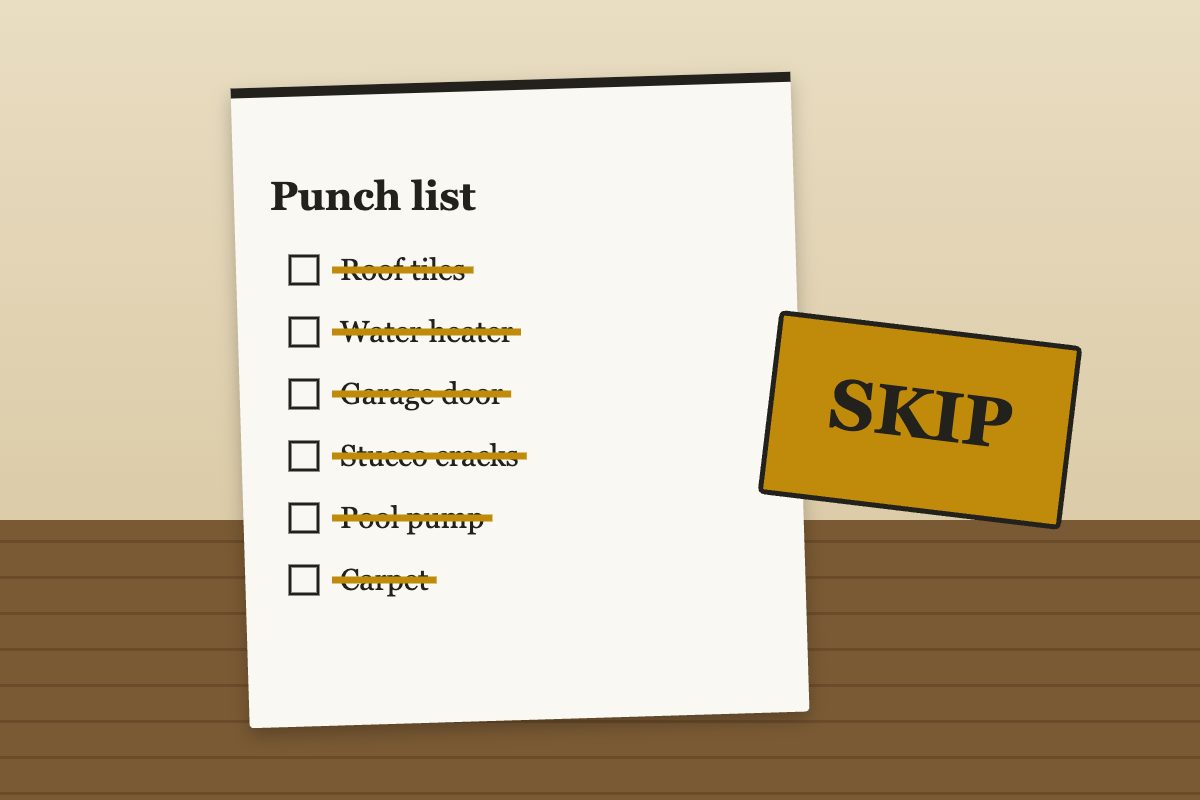
If it is worn, broken or stuck, read on
The kinds of house we buy as they are
Nobody sells a house in perfect shape for no reason. These are the situations that bring owners to us, with a plain note on how each one affects the sale.
- No repairs, no cleaning, no staging
- No showings, no appraisal haggling
- Written offer before you commit
- Local title company closes it
Dated, worn or just not what it was
Original cabinets, tile that has outlasted its fashion, a floor plan that has not aged well. Dated houses feel like a smaller problem than they are, because a retail buyer has to picture the fix and then pay for it on top of the price. The result is often a listing that draws looks and no offers.
We price what you have. A worn-out kitchen simply becomes one item in our calculation, and never grounds for passing. If the house is also in a part of San Tan Valley we cover, a quick message with the address is all it takes to begin. Neighborhood context is on the San Tan Valley page, and the how-it-works page walks through what happens after you write.
Original finishes
Builder-grade everything is common and entirely fine for us.
Worn flooring and paint
Stains, pet damage and faded walls do not need touching up first.
Roof, cooling and plumbing trouble
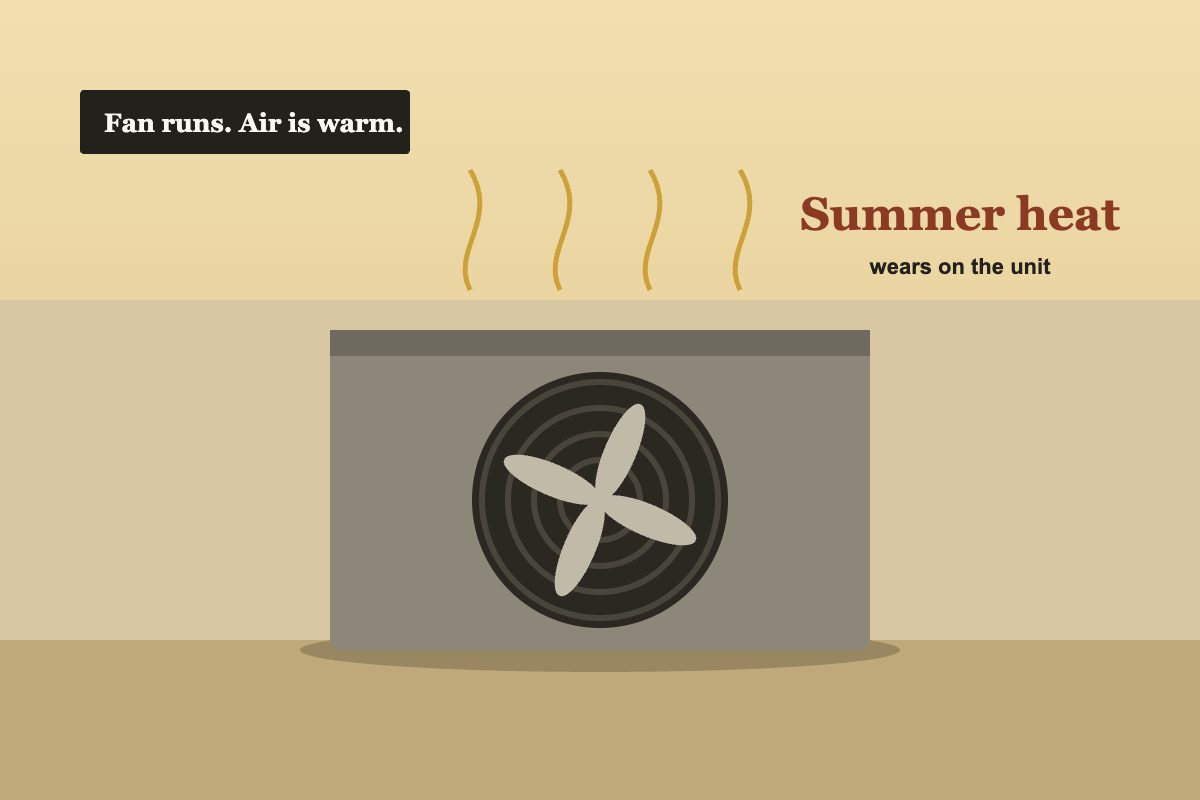
These are the three systems that draw the largest checks. A roof with failing tile or underlayment, an air conditioner that no longer cools the upstairs, pipes with pinhole leaks or a water heater past its time. In summer heat, an air conditioner quitting is not an inconvenience, it is a safety issue, and it is the reason many owners decide to stop spending.
If an inspector has already put numbers on the repairs, send them along. They help us, though we also form our own view. We will not ask you to fix a system first and then sell. A written offer reflects the repair as a cost we take on.
Roof damage
Missing tiles, leaks or old underlayment. Tell us if there are stains inside.
Air conditioning
Units that run but do not cool, or no longer run at all.
Pipes and water heaters
Slow leaks, low pressure, or a tank that has been limping along.
Does one of these sound like your house?
Describe it plainly. Photos and paperwork can wait.
A failed inspection or a deal that collapsed
Few things sting like a signed contract that turns into a repair negotiation. The inspector lists a dozen items, the buyer asks for credits, a lender reappraises the house lower than expected, and the whole sale slides away. Then you are back at the beginning with a house that now has a documented defect list.
That list is not fatal to a direct sale. A cash buyer is not asking an appraiser to bless the number, and the defects are already in the open. If your buyer backed out, tell us the reason they gave and the date you first listed. It helps us understand the house, and it gives you something to compare against a retail plan. See also how a cash offer is built.
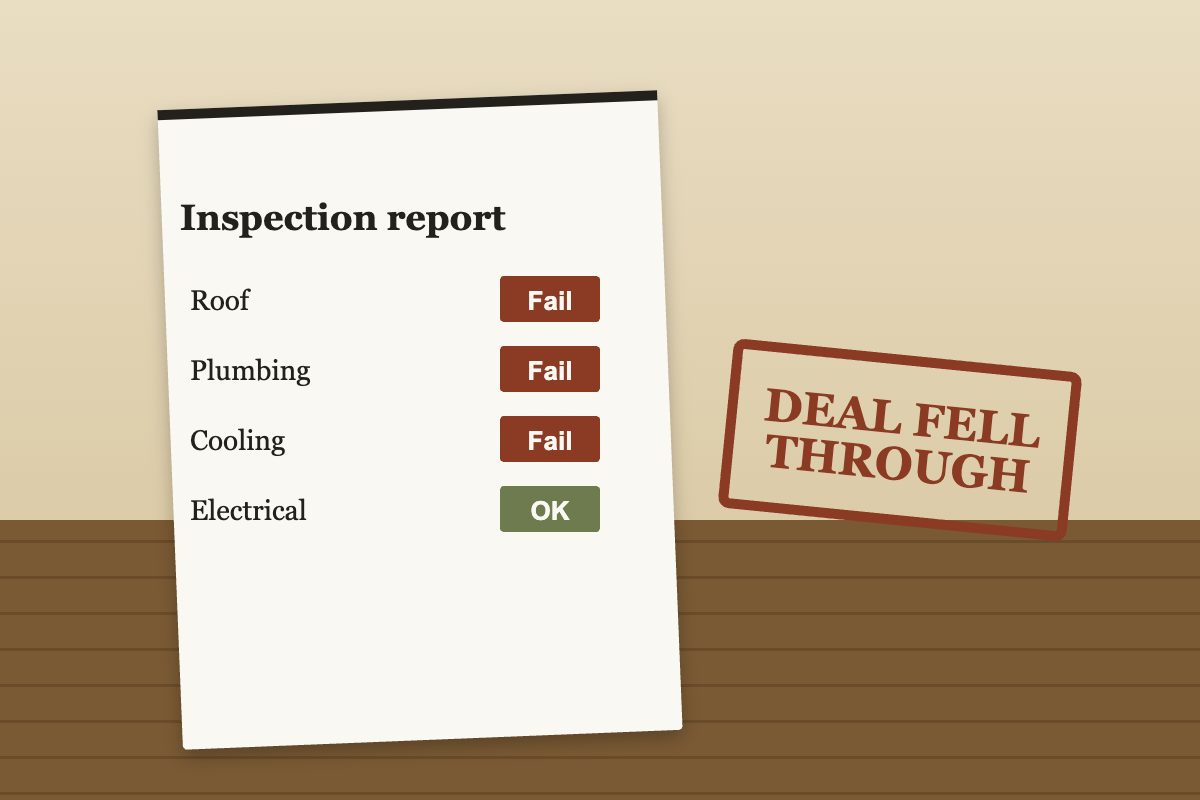
Inspection report in hand
Send it. It shortens our questions.
Appraisal came in low
A cash purchase does not rely on a lender's appraisal.
Buyer financing failed
A direct purchase removes the lender from the equation.
Years of postponed maintenance
Deferred maintenance is rarely one big thing. It is the gutter that never got cleaned, the sprinkler valve that keeps sticking, the garage door that needs a push, stucco hairlines that have widened, a pool that went green once and never recovered. Individually, none seems worth a contractor. Together they scare buyers and drag down an appraisal.
If you are living in the house, you have stopped seeing most of it. A fresh set of eyes does not mean criticism, it means an honest price. When you describe the house to us, try to list what you know is off, even the small things. We would rather start from a complete picture.
Small things stacked up
The total is what matters, not any single item.
Yards and pools
Dead landscaping and neglected pools are common and workable.
Belongings left behind, or a house packed full
Sometimes the problem is not the building. A relative passed away and the house still holds a lifetime of things. A tenant left in a hurry. A family member has been collecting for years and the rooms are full. Sorting it all is exhausting, expensive and emotional, and a retail sale expects the house to be empty and clean.
We can often purchase a house with contents still in place, and decide together what happens to them. Please be gentle with yourself and do not rush to throw things away on our account. If there are items of value or sentiment, tell us up front, and we will arrange a time for you or the family to take them.

Estate or family contents
Take what matters to you and leave the rest if you wish.
Tenant leftovers
Describe what remains. An attorney can advise on any tenant items.
Hoarding conditions
We approach these with respect and without judgment.
HOA or code notices that keep growing
A letter about the lawn, the paint color, the trash bins or an unpermitted addition can turn into daily fines if left alone. Owners often cannot afford to cure the violation, or are out of town and cannot do it at all. Associations in this area can be strict, and the notices do not pause while you decide.
Send us the letter. We will want to know the amount owed, the cure deadline and whether a lien has been recorded. In Arizona, resale paperwork for association homes is typically prepared through the association and balances are normally settled through closing, but the specifics are for your title company and attorney. Read the Johnson Ranch notes for an example of how layered the rules can be, or call us through the contact page.
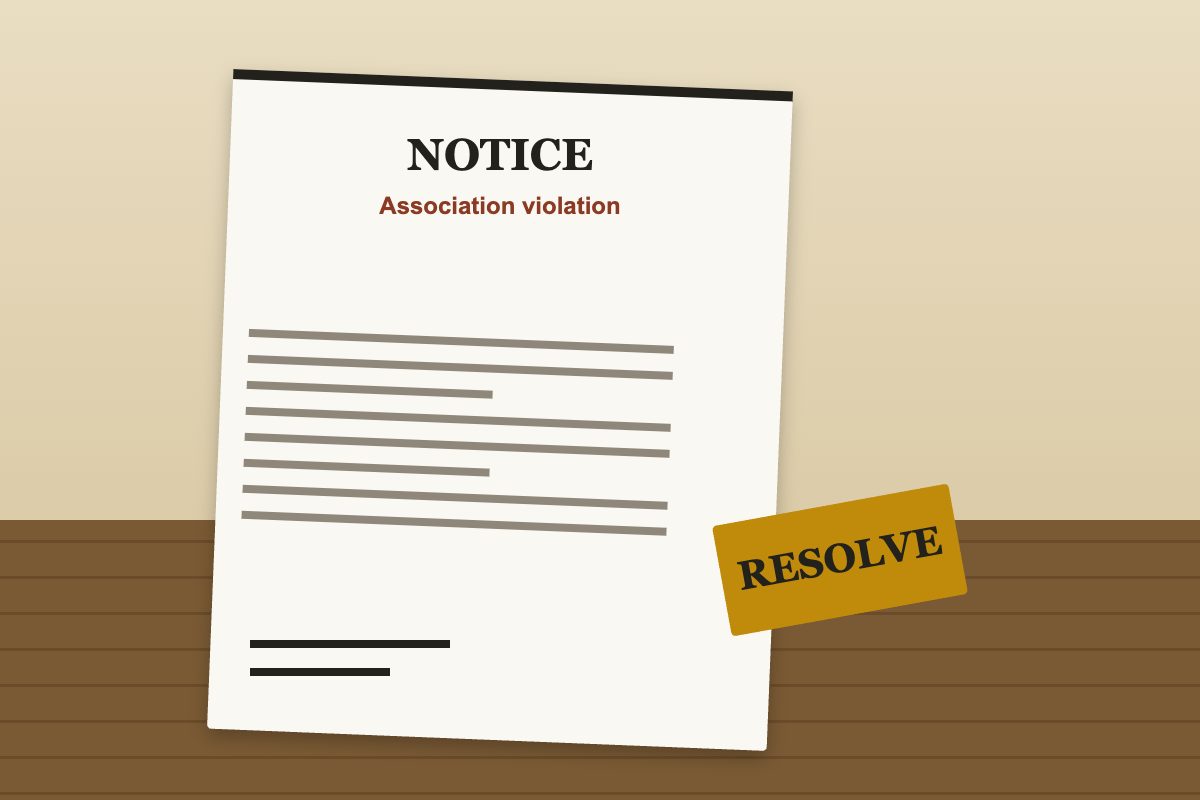
Fines accumulating
The sooner we know the balance, the sooner it can be handled in closing.
County or town notices
Permits and code questions may sit with the county or the town. Ask which applies to your lot.
Your listing expired without an offer
You did what you were told. You hired an agent, cleaned, staged and kept the place ready for showings, and the listing term ran out with nothing to show for it. That is frustrating and expensive, and it is also very common for houses that need work. Retail buyers who need a loan tend to avoid a house with visible problems.
A direct buyer is a different audience. We do not need the house to be loan-ready, and we do not need a showing calendar. If your agreement with the agent is still in effect, check its terms with them or an attorney before you accept any offer. The how-it-works page shows how our timeline compares.
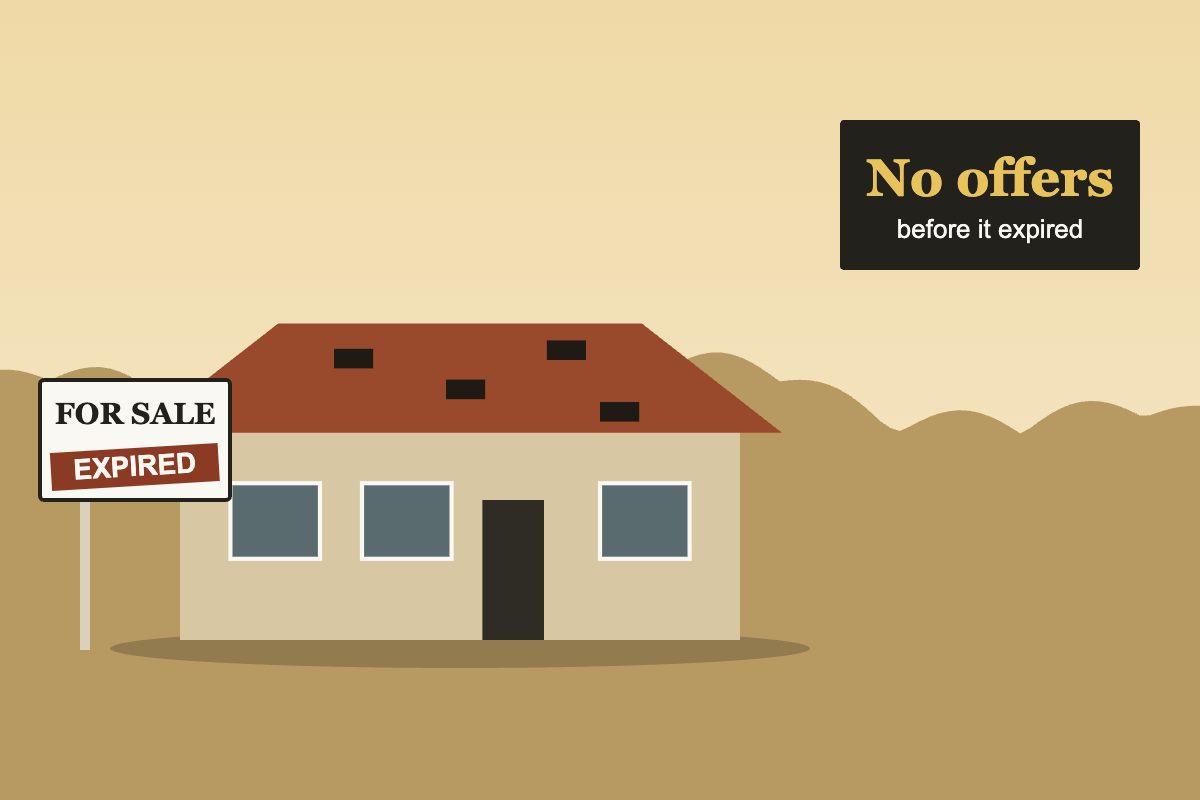
Stale on the market
Long days on market can make the next buyer wary.
Price cuts that did not work
A drop in price rarely cures a condition problem.
Quick answers
Do I have to say what is wrong with the house?
Yes, as much as you know. It affects the price and prevents a bad surprise later.
Can you buy a house in bad condition with a lien on it?
Often yes, since a lien is typically paid from proceeds at closing. The title company confirms what is owed.
Is there any house you will not buy?
Yes. Some are outside our area and some do not pencil out. We will tell you plainly.