
Two routes, both in writing
Cash purchase or loan payment takeover
Most houses we see qualify for the first route, a straightforward cash purchase. A smaller number fit the second. Here is how each one is built and how to tell which belongs to you.
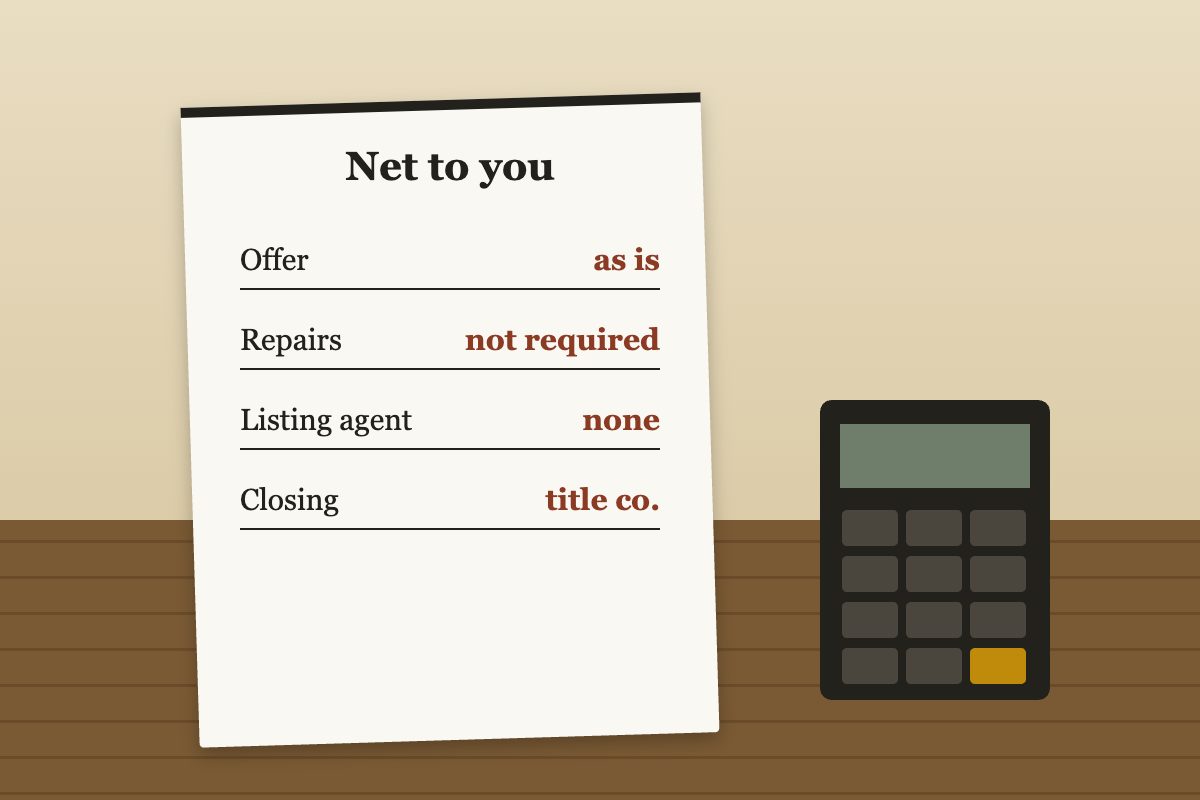
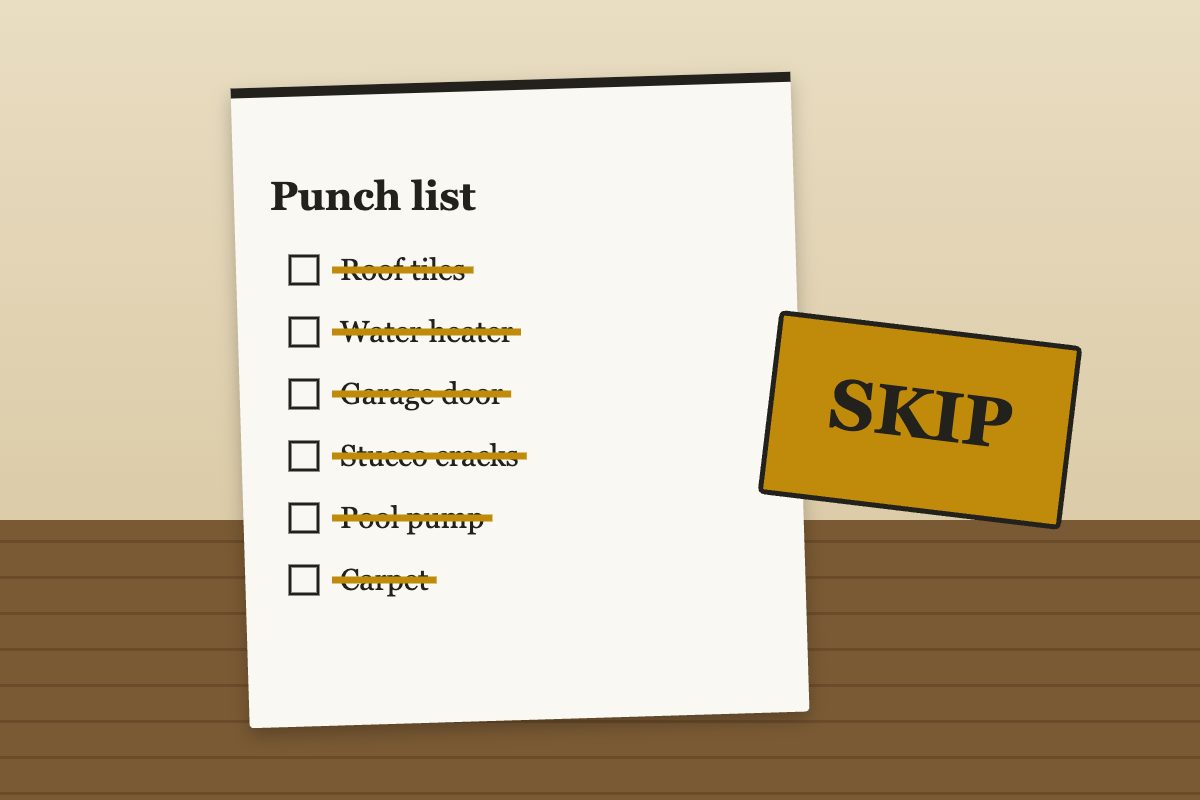
- No repairs, no cleaning, no staging
- No showings, no appraisal haggling
- Written offer before you commit
- Local title company closes it
Route one: a cash purchase as-is
A cash purchase is the simple version. We agree on a price, a local title company prepares the closing, and on the date in the contract you receive the proceeds. Anything owed against the house, such as a mortgage, a lien or an association balance, is paid from the proceeds first, and what is left is yours. No lender is involved on our side, so there is no appraisal waiting to come in low and no loan approval that can fall through in the final week.
Our price covers the house in its present state, which means the repairs you have been dreading are priced, not performed. You do not hand us a repair credit later, and we do not reopen the number after a walkthrough unless something material was hidden from us. That is why we ask you to be thorough on the first call. The how-it-works page lists exactly what to mention.
Paid at closing
Funds move through the title company, and you see the figures before you sign.
Your loan is paid off
The mortgage balance comes out of the proceeds, and your name comes off the loan.
Nothing to repair
The house stays in its current state until the keys change hands.
Route two: we take over the loan payments
Some sellers owe nearly as much as the house is worth, or have a mortgage with a rate they would hate to lose. For them, a takeover can be an alternative: rather than paying off the loan, we agree to make the payments on it going forward, and the paperwork records who is responsible for what. It can get you out from under the monthly obligation without needing equity to change hands.
It is not simple, and it is not for everyone. Your lender's documents matter, the paperwork is heavier and the risk to each side is different from a cash sale. We insist that you have an Arizona real estate attorney review everything before you sign, and we are glad to answer their questions. We will not push you toward it if cash is the better answer, and the FAQ page has a few short notes on how the two compare.
When it can fit
Little equity, a loan worth keeping, or a need to stop making payments quickly.
When it does not
Large equity you want in your pocket, or a loan whose terms rule it out.
Attorney first
Please have your own attorney read the documents. Ours cannot represent you.
Unsure which route fits?
Share whatever numbers you have and we will name the better fit, or admit neither suits you.
How we arrive at an as-is number
We start from what a comparable house in good condition might bring, then subtract the work this house needs, the time and carrying cost we expect, and the risk that comes with a direct purchase. That is why our figures sit below a fully repaired retail price. The table shows what we look at and how each item tends to push the number, without pretending there is a formula that fits every address.
| What we notice | How it shapes the offer |
|---|---|
| Roof, cooling or plumbing near the end of life | A large, known repair cost comes off the number. |
| Cosmetic wear and dated finishes | A smaller adjustment, since these are cheaper to fix. |
| Open notices, liens or unpaid dues | Paid from proceeds, and noted so nothing surprises you at closing. |
| Belongings still in the house | Time and cost to clear it, if you do not want to. |
| Location within San Tan Valley | Street and sub-neighborhood affect what the house is worth to a buyer. |
| Your timeline | A fast, firm date is part of what you are getting, and it is reflected honestly. |
The costs and the fine print
There is no commission to us, because we are the buyer and not an agent. Closing costs are still real, and the written offer says who pays each one. Read it line by line. If anything is vague, ask for it to be spelled out before signing.
Two reminders. First, we are not your lawyer or tax advisor, and none of this page counts as legal, tax or financial guidance. A sale can have tax consequences, and a CPA can tell you about yours. Second, we encourage you to compare our offer with a conversation with a local listing agent, a contractor's estimate and your own plans. If ours is not the best path, taking another is a fine result.
No commission
We buy directly, so there is no listing agent to pay.
Closing costs
Listed in the offer and shown again on the settlement statement.
Tax questions
Ask a CPA before you commit, not after.
Which route is right for you?
If you are unsure, send what you know: roughly what you owe, what is wrong with the house, and when you need to be done. We will name the route we think fits, or tell you neither one does. For more about the houses that lead to each one, see the situations page, read about how we view San Tan Valley, or use the contact page to talk it over. The about page explains who we are.
Quick answers
Do you pay cash for every house?
Cash is our usual route. A loan payment takeover is available only when the numbers and the loan paperwork allow it.
Who chooses the title company?
A local Arizona title company handles the closing. You can ask any questions about it before agreeing.
Can I counter your offer?
Yes. Tell us what number or term would change your answer, and we will give you a straight answer on whether we can meet it.